
Creating Space for Women’s Climate Action and Safety in Uganda
Liberty Pro Bono Initiative is a Ugandan-based civil society organization that is dedicated to empowering communities through legal support, environmental advocacy, and climate justice. We spoke their CEO, Doreen Namara, about their support of women climate defenders and the challenges facing activists in Ugandan society, where speaking up can be dangerous.
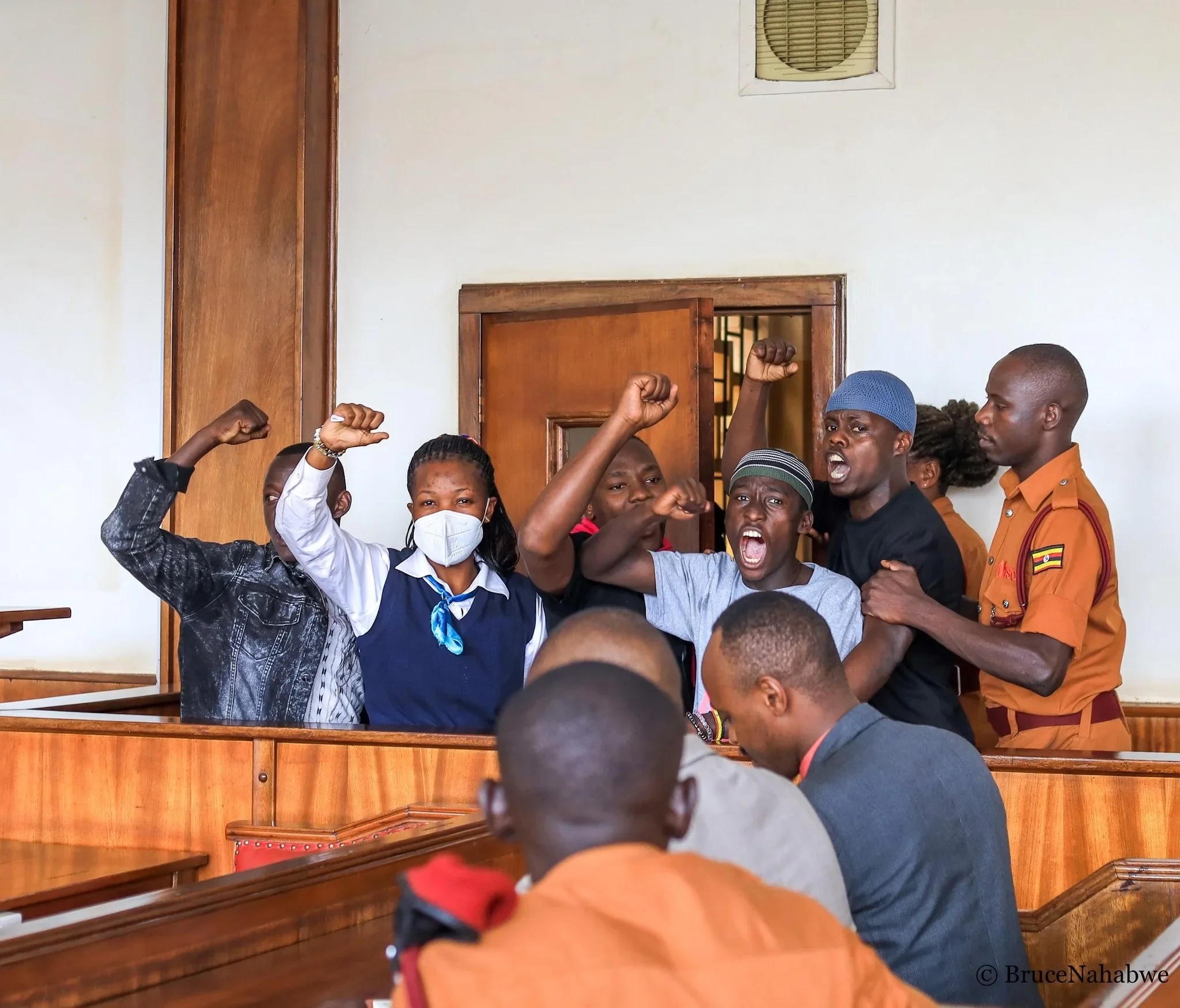
Photo courtesy of Liberty Pro Bono Initiative and Bruce Nahabwe
Why is the law an important tool for climate action?
The law is one of the most powerful tools we have to protect communities affected by climate and environmental injustices because it provides a formal framework to demand accountability and defend fundamental rights such as freedom of expression, assembly, and participation.
In many of the communities we work with in Uganda, individuals who speak out against harmful projects, such as fossil fuel pipelines, face intimidation, fabricated charges, harassment, and even arbitrary detention. By using the law, Liberty Pro Bono is able to challenge these violations, secure legal protection for activists, and push back against unlawful restrictions on civic space. Legal action also helps to affirm that these communities are not acting outside the system. Instead, they are exercising rights that are recognized and protected under national, regional, and international legal frameworks.
Beyond protection, the law is also a tool for empowerment. When communities understand their rights and how to assert them, they are better able to engage in decision-making processes, demand transparency, and advocate for environmental justice without fear. Our work, therefore, combines legal representation with awareness and capacity-building, ensuring that defenders are not only protected but also equipped to continue their advocacy safely and effectively.
Ultimately, the law helps to level the playing field. It gives marginalized communities a voice in spaces where they are often excluded and ensures that their concerns are heard, documented, and addressed.
You defend women calling for climate action. Why are their voices so important, and what are the unique challenges they face?
Women human rights and climate defenders play a critical role because they are often the most directly affected by environmental harm, yet the least heard in decision-making spaces. In many communities, women are responsible for providing food, water, and care for their families. When land is degraded, water sources are polluted, or livelihoods are disrupted, it is women who bear the heaviest burden. Like the communities in the Albertine region and Greater Masaka affected by the East African Crude Oil Pipeline (EACOP). Their voices are therefore essential in shaping solutions that are practical, just, and responsive to community needs.
At the same time, women face unique and deeply rooted challenges as climate activists. In Uganda, many are confronted with harmful social norms that discourage them from speaking out, with expectations that they should remain in domestic roles rather than engage in public advocacy. Those who do speak up are often subjected to stigma, body shaming, and intimidation, including physical manhandling. Men frequently exclude women from platforms, such as meetings, trainings, peaceful protests and on social media where decisions are made, while giving themselves the space and legitimacy to lead.
In addition, women’s specific needs, such as access to clean water, a safe environment for childbirth, and healthy conditions for raising children are often overlooked in environmental discussions. This makes women’s participation even more critical, as they bring perspectives that are essential for the well-being of families and future generations, especially girls.
Despite these barriers, women continue to stand at the forefront of climate justice efforts. Ensuring that their voices are heard is not only a matter of equality, but also a necessary step toward achieving sustainable and inclusive environmental solutions.
What role do women lawyers play in protecting women advocating for their communities and climate justice?
Women lawyers in Uganda play a uniquely important role in protecting women who are advocating for their communities and for climate justice because they operate at the intersection of legal expertise, lived experience, and trust within communities.
First, they provide critical legal protection. This includes defending women activists against arbitrary arrests, challenging unlawful restrictions on their freedom of expression and assembly, and holding both state and corporate actors accountable for human rights and environmental violations. In doing so, women lawyers help ensure that women defenders can continue their advocacy without being silenced.
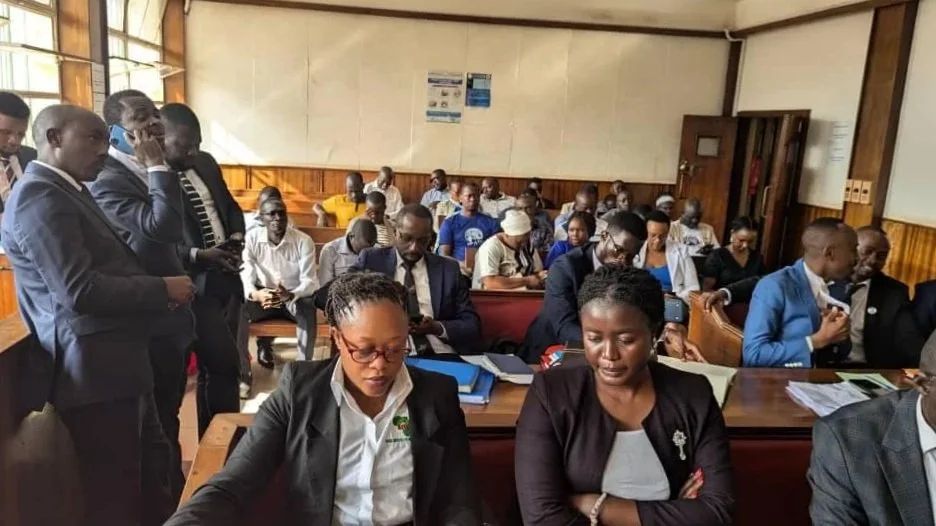
Photo courtesy of Liberty Pro Bono Initiative
Second, women lawyers bring a gender-sensitive perspective to climate justice because of their lived experience. They understand that environmental harm affects women differently—impacting access to clean water, food security, health, and safe conditions for raising children. Because of this, they are able to advocate for solutions that reflect the realities and needs of women and their communities.
Women lawyers are often more accessible and approachable to women defenders, especially those who have experienced sensitive violations such as sexual harassment, violence, or intimidation. Many women feel safer speaking openly to another woman, which makes it easier to document abuses, build strong cases, and pursue justice without fear or shame.
Beyond representation, women lawyers also play a strong empowerment role. They raise awareness about rights, support women to understand legal processes, and build confidence among activists to speak out and participate in decision-making spaces. This is especially important in contexts where women are often excluded or discouraged from public engagement.
Ultimately, women lawyers are not only defenders in the courtroom they are allies, mentors, and advocates who help amplify women’s voices, challenge inequality, and strengthen the broader movement for climate and environmental justice
What more is needed to support the communities that you work with?
Supporting the communities Liberty Pro Bono works with in Uganda requires a holistic and sustained approach that goes beyond short-term interventions.
First, there is a critical need for continued access to legal aid and protection. Many community members and activists face ongoing threats, arrests, and intimidation, yet lack the resources to defend themselves. Sustained legal support ensures that they can safely exercise their rights and continue their advocacy.
Second, long-term financial and humanitarian support is essential. Many of the women and families we work with have had their livelihoods disrupted due to displacement, environmental degradation, or retaliation for their activism. Access to basic needs such as food, healthcare, safe shelter, and psychosocial support is crucial for their well-being and resilience.
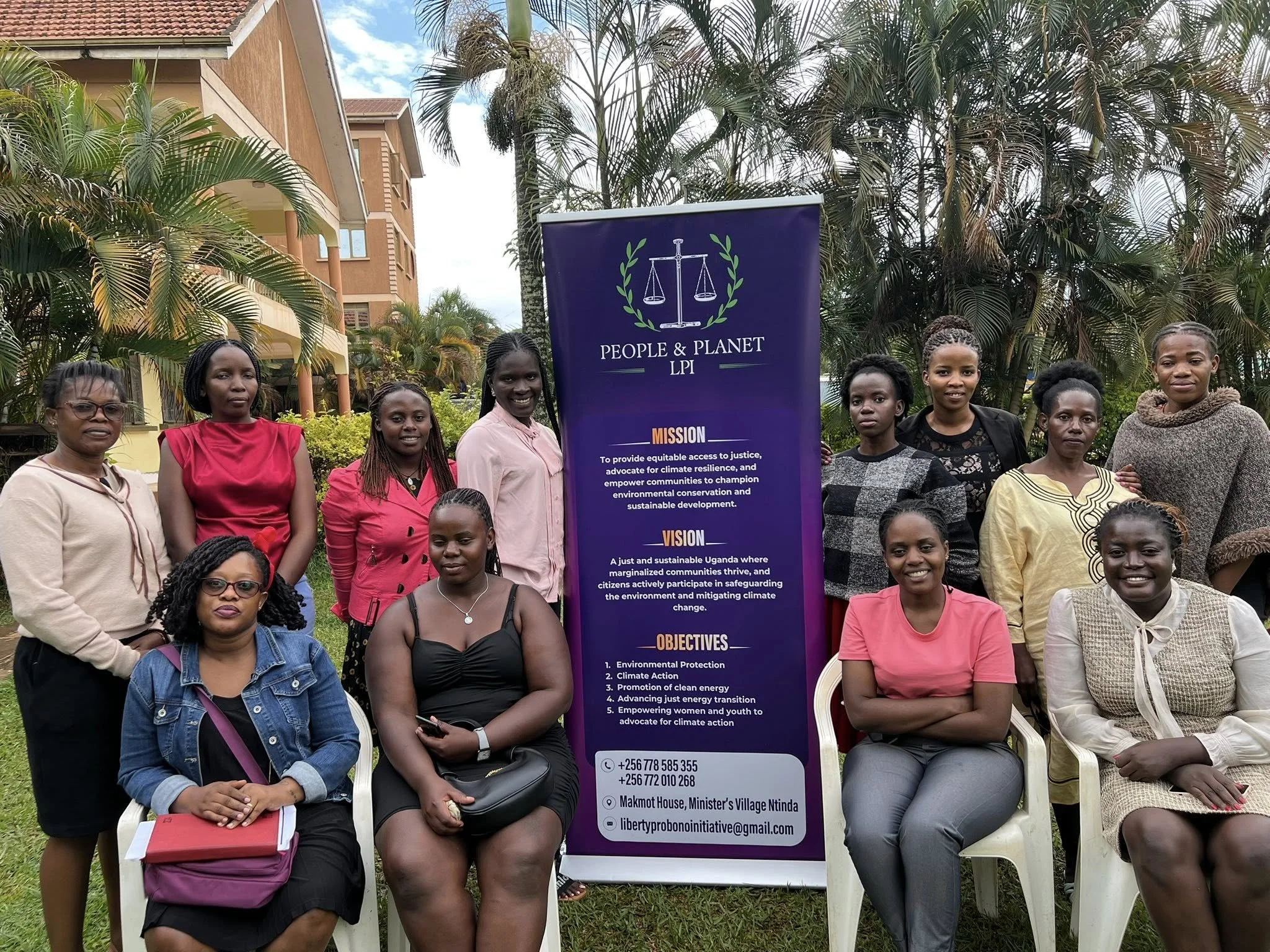
Photo courtesy of Liberty Pro Bono Initiative
There is also a need for increased investment in capacity building. Communities require continuous training and support in areas such as digital security, documentation of human rights abuses, and advocacy skills so they can effectively and safely engage in defending their rights.
Importantly, stronger protection mechanisms are needed at both national and international levels. This includes holding state and corporate actors accountable, as well as creating safer civic spaces where communities especially women can speak out without fear of violence or reprisals.
Finally, amplifying community voices on national, regional, and global platforms is key. These communities must not only be protected, but also heard and included in decision making processes that directly affect their land, environment, and future.
Sustainable change will only be possible when communities are not just supported in moments of crisis, but consistently empowered, protected, and included.